

It’s less than two months until the national transpositions of Directive (EU) 2024/1438, known as the “Breakfast Directives”, take full effect on 14th June this year. The directives aim to help consumers make healthier and more informed choices about foods commonly consumed at breakfast.
In February, we looked at honey traceability and authenticity. This month we’re focusing on jams and juices.
- Directive 2001/112/EC relates to fruit juices and certain similar products intended for human consumption. This directive defines the composition, naming, labelling and manufacturing characteristics of fruit juices.
- Directive 2001/113/EC relates to fruit jams, jellies and marmalades and sweetened chestnut purée intended for human consumption. This directive defines the rules for the labelling and composition of the above products in terms of fruit, sugar, preservatives, and additives.
New Fruit Juice Categories
The fruit juice directive provides for the introduction of three new fruit juice categories to promote innovation and market opportunities for the industry, all of which provide consumers with choices to help reduce sugar intake in their diet. These new categories apply where at least 30% of sugars have been reduced compared with a typical fruit juice:
- Reduced-sugar fruit juice
- Reduced-sugar fruit juice from concentrate
- Concentrated reduced-sugar fruit juice
The use of sweeteners, or the addition of ingredients with sweetening properties, will not be allowed for these three new categories, however it will now be permitted to use the statement "Fruit juice contains only naturally occurring sugars" voluntarily.
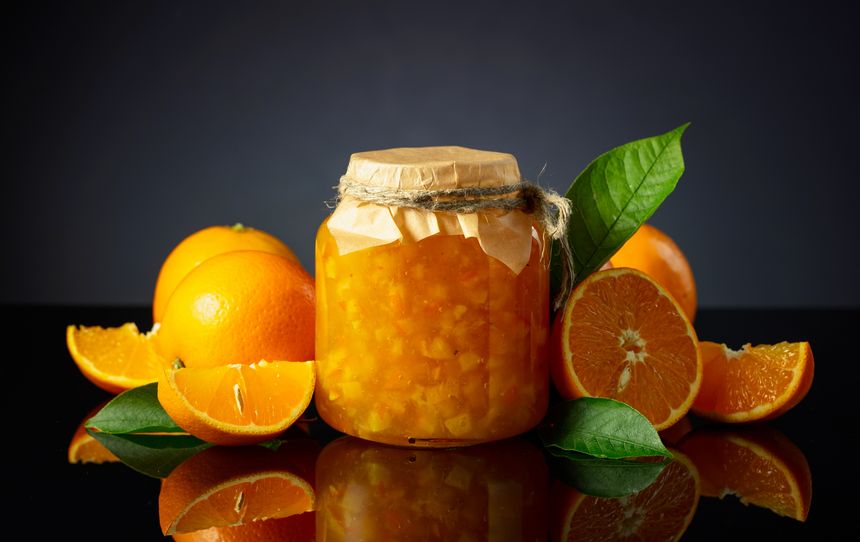
Jams and marmalades
The new Directive stipulates that member states can authorise the use of the term "marmalade" as an alternative for “jam” as consumers across Europe often use them interchangeably.
Additionally, the minimum fruit content for jam and extra jam has increased to improve the product quality and reduce the quantity of added sugar in the products.
- Fruit content of jam has increased from 350g to 400g/kg
- Fruit content of extra jam has increased from 450g to 500g/kg
How Intertek can Help
Our testing services for several kind of fruit products can support you through ensuring compliance by:
- Analysis of parameters associated with quality and authenticity of the individual products,
- Testing of nutrients and additives,
- Testing of residues and contaminants, such as pesticides, heavy metals and microbiological organisms.
Intertek’s food labelling services further ensure compliance with regulations across more than 50 countries, supported by our team of regulatory specialists.
Are you completely ready for 14th June? If not do get in touch by emailing food.eca@intertek.com.
For more information on how Intertek can help visit: https://www.intertek.com/food/
/Passle/5e4a7839abdfeb03584d01f6/MediaLibrary/Images/2026-03-31-21-45-54-751-69cc4092bd1f61a396ba5dbf.png)
/Passle/5e4a7839abdfeb03584d01f6/SearchServiceImages/2026-05-08-01-52-46-459-69fd41eea52821e6d2fe90d7.jpg)
/Passle/5e4a7839abdfeb03584d01f6/SearchServiceImages/2026-05-15-20-47-52-908-6a078678157046f81d3601b1.jpg)
/Passle/5e4a7839abdfeb03584d01f6/SearchServiceImages/2025-09-03-17-57-56-840-68b881a41d680d7ad1a28da6.jpg)