


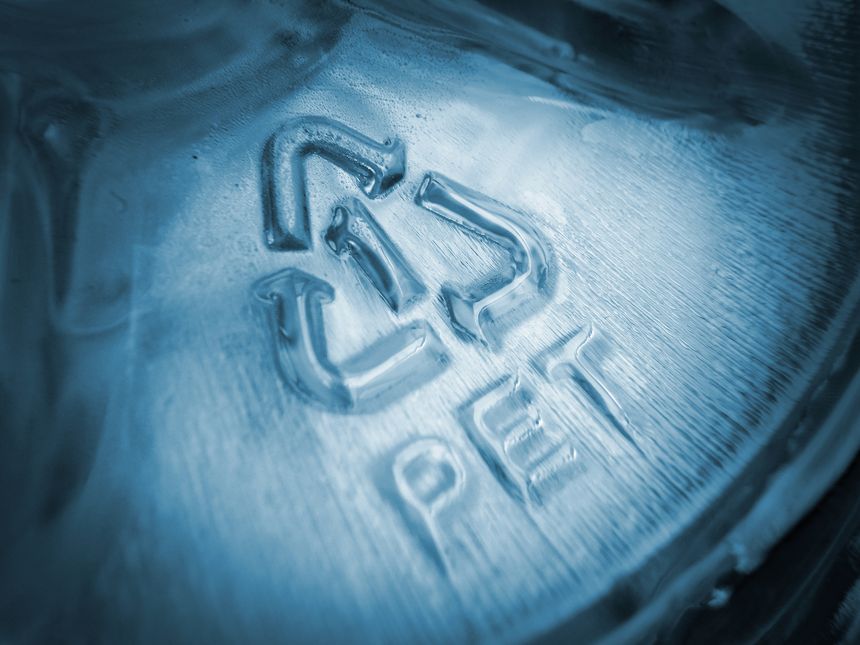
Recycled plastics are becoming an essential part of sustainable beverage packaging, offering benefits such as durability, lightweight handling, and cost-efficiency. With EU directives pushing for higher recycled content in bottles and caps, the industry is gradually reducing reliance on virgin plastics, supporting circular economy goals, and helping lower environmental impacts.
However, challenges remain. Mechanical degradation, potential health concerns, and regulatory complexities require careful management. Ensuring the quality and safety of recycled plastics demands robust traceability, advanced purification, and strict testing protocols. Balancing sustainability with practicality is key to long-term success in food-contact packaging.
For a deeper dive, tune into our podcast episode Recycled Materials in Food-Contact Packaging, where we break down how to navigate compliance, safety, and sustainability when working with recycled content in beverages.
/Passle/5e4a7839abdfeb03584d01f6/MediaLibrary/Images/2026-03-31-21-45-54-751-69cc4092bd1f61a396ba5dbf.png)
/Passle/5e4a7839abdfeb03584d01f6/SearchServiceImages/2026-10-15-20-52-56-997-6ad13d285c647470665fe605.jpg)
/Passle/5e4a7839abdfeb03584d01f6/MediaLibrary/Images/2026-09-03-20-12-26-473-6a99d4aab11f9687508d5b0a.png)
/Passle/5e4a7839abdfeb03584d01f6/SearchServiceImages/2026-09-04-22-12-18-466-6a9b4242f67b2e9362bccbfa.jpg)