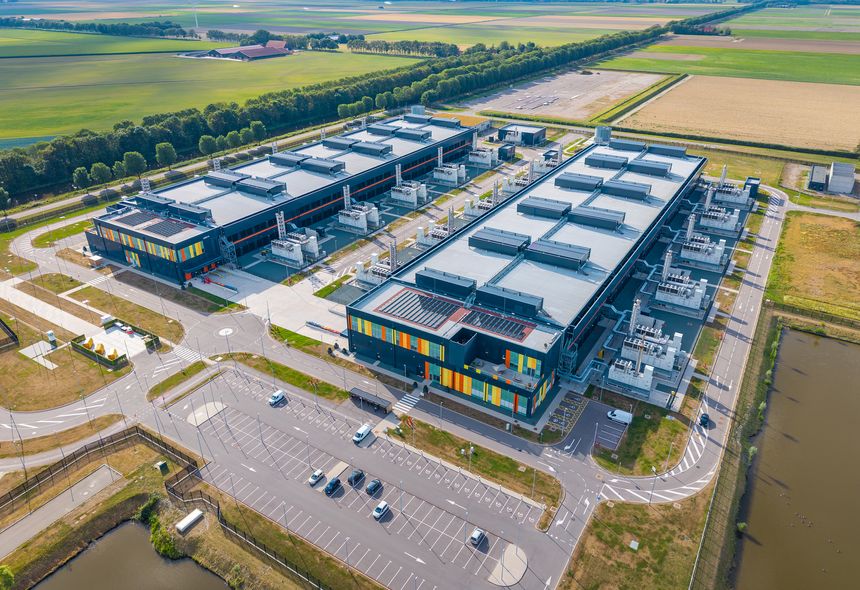
All the recent media buzz has been around whether AI technology itself should be regulated and widespread opposition to the building of new data centers. The Institute for Human Rights and Business (IHRB) has taken a very interesting angle and issued a Briefing titled AI Infrastructure: Rights, Risks and Responsibilities
It has highlighted the overlooked fact that behind every data center is a complex ecosystem of land, water, energy, construction workers, critical minerals, equipment manufacturers and global supply chains. As investment in AI infrastructure accelerates, the human rights considerations associated with that growth deserve the same attention as technological performance and innovation.
The briefing highlights how impacts can appear throughout the lifecycle of AI infrastructure. They range from working conditions and migrant worker protections during construction, to responsible sourcing of minerals and equipment, land use, water availability and the effects large data center developments can have on surrounding communities.
This is an important reminder that responsible AI cannot only be about how AI systems are designed and used. We also need to consider how the physical infrastructure supporting AI is built, who builds it, where its materials come from, and how affected workers and communities are protected.
For businesses, this creates a much broader due diligence challenge. Responsibility does not necessarily stop with a direct supplier or contractor. Risks can sit several layers deeper within construction subcontracting, recruitment practices, mineral sourcing, hardware manufacturing and other parts of the infrastructure supply chain.
This is where greater supply chain visibility becomes critical.
At Intertek, we see an important opportunity for organizations to integrate human rights considerations much earlier into infrastructure investment and development. Strong due diligence can help identify risks before they become embedded in a project, while credible independent assurance can provide greater confidence that commitments are translating into practice.
That means looking beyond policies alone and examining what is actually happening across sites and supply chains, from worker protections and contractor controls to responsible sourcing, community engagement and access to effective grievance mechanisms.
The extraordinary growth of AI infrastructure brings enormous opportunity, but responsible growth requires us to look beyond the technology itself.
As AI continues to reshape the global economy, ensuring that its underlying infrastructure develops with respect for workers, communities and human rights should be part of how we define responsible AI.