


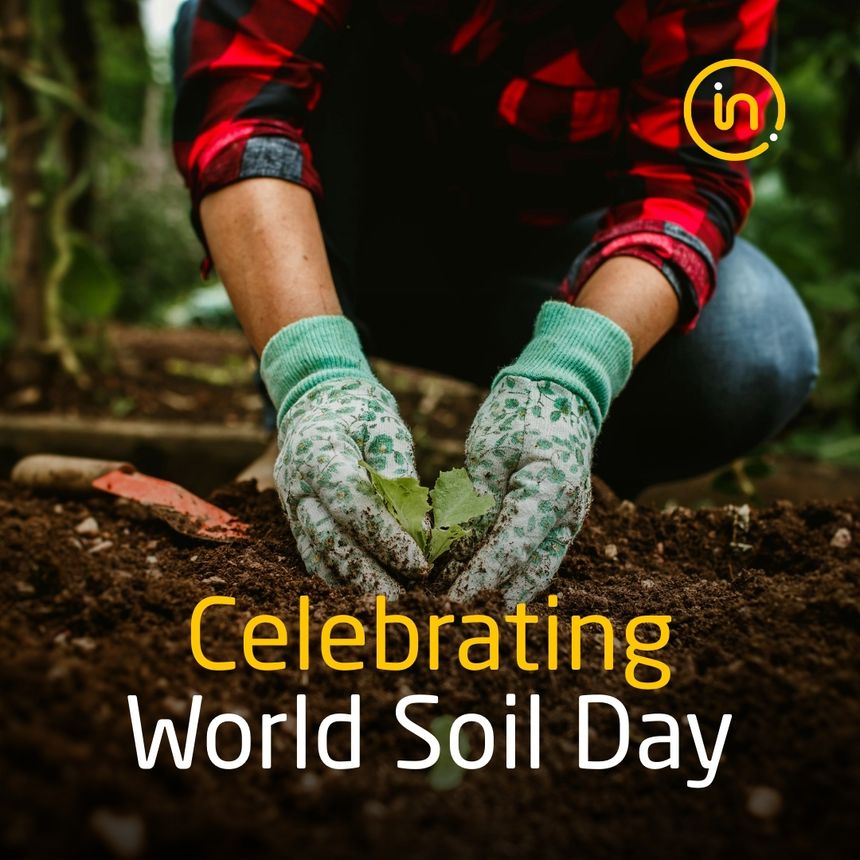
Soil is one of the world’s most undervalued resources, yet it fuels everything from climate stability to global food security. This World Soil Day, we look beneath the surface to explore how soil health, sustainability, and supply chain traceability are deeply interconnected, shaping the future of responsible agriculture.
Soil: The Quiet Engine Behind Global Resilience
Healthy soil does far more than grow crops.
It stores carbon, protects biodiversity, filters water, supports ecosystems, and strengthens resilience against climate shocks. Its biological, chemical, and physical properties form the foundation on which sustainable agriculture is built.
But soil is also under increasing pressure. Land degradation, climate change, intensive farming, and global demand are stretching natural systems beyond their limits. Without responsible management, the stability of our food systems and the environment becomes increasingly vulnerable.
Recognizing soil as a living, dynamic system is the first step toward safeguarding the future of agriculture.
Why Soil Health Matters for Modern Agriculture
Sustainable land management is essential for ensuring long term productivity and environmental integrity. Healthy soil:
• Enhances crop performance and yield stability
• Improves water retention and drought resilience
• Reduces erosion and nutrient loss
• Supports regenerative farming practices
• Strengthens overall ecosystem health
Each of these factors contributes to a more secure and sustainable food supply, especially as agricultural systems face increasing demands from a growing global population.
Soil Level Data: The Missing Link in Traceable Supply Chains
Today’s markets demand transparency. Consumers, investors, and regulators want evidence of sustainability, not just claims. This is where soil level information becomes a strategic advantage.
Soil data provides insight into:
• Land management practices over time
• Carbon sequestration and climate impacts
• Degradation risks tied to sourcing regions
• Compliance with environmental standards
• Regenerative agriculture outcomes
• The true sustainability performance of raw materials
By integrating soil metrics into traceability systems, organizations gain a clearer view of where their products come from, how responsibly they were grown, and whether they meet emerging global requirements.
The result is stronger credibility, reduced risk, and supply chains that can stand up to increasing scrutiny.
Sustainability and Traceability: A Unified Path to Responsible Sourcing
Sustainability efforts often fall short when they focus on outcomes rather than origins. Real impact begins at the soil level.
When soil health insights are linked with traceability systems, organizations benefit from:
• Greater transparency across complex supply networks
• More reliable environmental claims for stakeholders and consumers
• Improved compliance with global regulations
• Better risk management tied to land conditions and farming practices
• Enhanced market access for sustainably grown commodities
• Stronger partnerships with growers and suppliers who prioritize regenerative practices
In essence, soil becomes a measurable part of an organization’s sustainability performance and a driver of long-term resilience.
Looking Ahead: Building Food Systems That Can Endure
As the world moves toward more climate conscious and ethically driven agriculture, the role of soil will only grow in importance.
Organizations leading this transition are those who recognize that sustainable agriculture does not start in the supply chain. It starts in the ground.
Investing in soil health benefits the planet, the food industry, and the communities that depend on it, while strengthening the resilience of the global food system.
Learn More
To explore how sustainability and traceability practices strengthen agricultural systems and support responsible sourcing, visit:
/Passle/5e4a7839abdfeb03584d01f6/MediaLibrary/Images/2026-03-31-21-45-54-751-69cc4092bd1f61a396ba5dbf.png)
/Passle/5e4a7839abdfeb03584d01f6/SearchServiceImages/2026-10-15-20-52-56-997-6ad13d285c647470665fe605.jpg)
/Passle/5e4a7839abdfeb03584d01f6/MediaLibrary/Images/2026-09-03-20-12-26-473-6a99d4aab11f9687508d5b0a.png)
/Passle/5e4a7839abdfeb03584d01f6/SearchServiceImages/2026-09-04-22-12-18-466-6a9b4242f67b2e9362bccbfa.jpg)